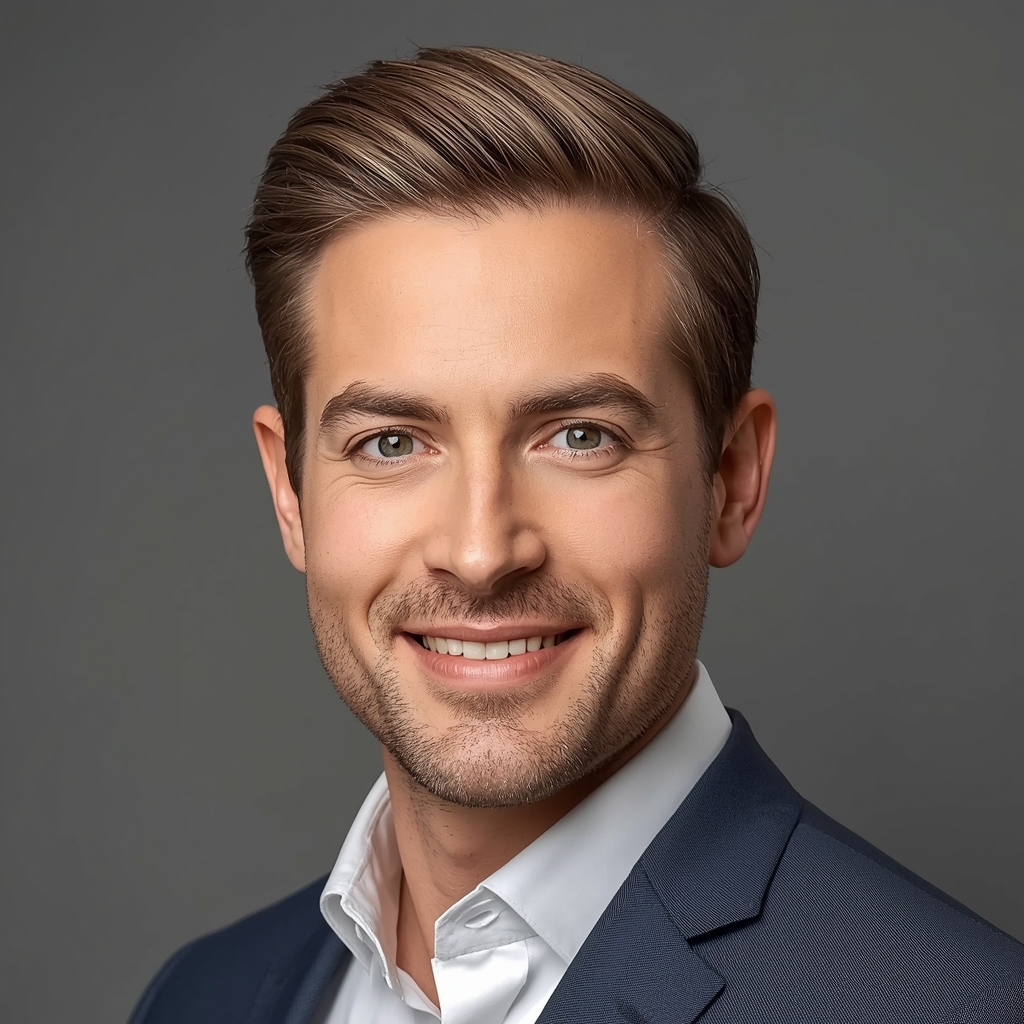
Taylor Swift is taking legal steps to protect her voice and image from artificial intelligence misuse, filing three trademark applications with the U.S. Patent and Trademark Office through her company, TAS Rights Management.
Two of the applications are sound trademarks covering the phrases "Hey, it's Taylor Swift" and "Hey, it's Taylor." The third is a visual trademark tied to a specific image of Swift performing on stage, according to a report from Variety.
The filings come amid a pattern of AI-generated fakes targeting the pop star. In 2024, then-candidate Donald Trump shared fabricated images on Truth Social falsely suggesting Swift and her fans supported his presidential campaign — an incident that prompted Swift to publicly endorse Kamala Harris for president. In 2025, Elon Musk's xAI drew backlash after its Grok chatbot generated nude images of Swift, despite the company's own rules prohibiting pornographic depictions of real people.
Legal experts say the trademark strategy is a novel approach to a growing problem in the entertainment industry. "The unique thing here is the use to protect against AI misuse. Pragmatically, these efforts might be useful to protect herself against misuse from other identifiable actors, such as companies using AI to falsely suggest she endorses a product or service," one legal expert noted.
However, enforcing those rights in practice may be an uphill battle. "It might be surprisingly difficult for her to enforce her rights against AI misuse on the internet writ large, because those creating salacious content with her image are likely doing so anonymously, making them harder to track down," the expert added.
Swift's move follows a similar strategy employed by actor Matthew McConaughey, who secured trademarks from the U.S. Patent and Trademark Office in January, including protection for his signature phrase "alright, alright, alright" from the film Dazed and Confused.
While trademark law has not yet been used in court to protect a person's general likeness, voice, or persona, legal observers say the filings signal mounting concern across the entertainment industry over AI tools capable of replicating artists without their consent.
Swift's extraordinary level of public recognition may work in her favor when it comes to getting the applications approved. "Taylor Swift is very recognizable in many ways, including but not limited to her voice and overall image," the expert said. "One might quibble about the amount of distinctiveness she could argue, but that isn't likely to outright prevent her from a trademark. It's also likely she'll have an easy time showing that her [name, image, and likeness] is associated with a good or service — for instance, her music, fan goods, etc."
Why it matters
Trademark law has not previously been used in court to protect a person's general likeness, voice, or persona, making Swift's filings a novel legal test that the entertainment industry is watching closely.
Legal experts note that even if trademarks are granted, enforcement against anonymous bad actors online may be difficult — meaning the filings may be more effective against identifiable commercial misuse, such as companies falsely implying Swift endorses a product.
Swift's high public recognition could work in her favor: experts say her name, image, and likeness are clearly associated with commercial goods and services such as music and fan merchandise, which is a key factor in trademark approval.